What are cataracts?
Cataracts cause symptoms including blurry vision near and/or far, sensitivity to glare, and an imperceptible but progressive loss of color vision as the lens turns yellow. Generally it is when either the clarity of vision is not good, or when glare sensitivity on bright days or at night that a person seeks help for the cataract. Whenever you have difficulty with your vision, from any cause, you should come in and let us evaluate the situation and diagnose the problem.
How Cataracts Affect Your Vision
Examples: Vision thru a Cataract and the same scene without cataract
Common symptoms of catarcts:
- Blurry or cloudy vision
- Glare or halos around lights (especially at night)
- Difficulty seeing at night
- Colors appearing faded or yellowed
- Frequent changes in glasses prescription
With Cataract's

Clear Vision

How is Cataract’s Diagnosed?
Cataract is diagnosed in the course of a comprehensive eye examination by your ophthalmologist or optometrist, or call for an appointment at MarinEyes. The doctors at MarinEyes provide pre-operative consultations, second opinions and post-operative care. We often receive referrals from other doctors, but welcome self-referrals as well.
How is Cataract’s treated?
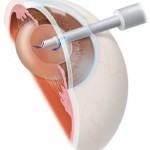 Once your vision with corrective glasses or contact lenses is no longer adequate for you to comfortably, safely do your normal activities, it is time to consider cataract surgery. The only effective treatment for cataract is cataract surgery. This is a common procedure. At Marin Ophthalmic Surgery Center, we do about 700 cataract surgeries a year. The surgery involves a relaxing sedative and “topical” anesthesia for complete comfort. Under microscopic control, the surgeon removes the cloudy lens and replaces it with a new, clear artificial lens.
The surgery itself generally takes less than 15 minutes in most cases. The patient goes
home about 2 hours after arrival at Marin Ophthalmic Surgery Center. The vision may be blurry for the first few days, but is nearly always much better by 2 weeks postop. Typical post-operative care includes eye drops for 6 weeks after, and 2-3 post-operative follow-up appointments. Occasionally the post-operative care involves higher levels of medication and visits, but most people are ready for new  glasses about 2 weeks post surgery. Check the links at the upper left of the page for more detailed information. Drs. John C. Shin and Emilee D. Amacker use the most current proven methods in their cataract surgery. The doctors provide pre-operative consultations, second opinions and post-operative care.
Do Cataracts Come Back?
About 5-15% of patients having successful cataract surgery will later develop “Secondary Cataract.” This may occur weeks, months or more commonly years, later, even after perfectly performed surgery. This requires a laser treatment (also available at Marin Ophthalmic Surgery Center) to correct. The treatment is quick, painless and highly effective. Very infrequently, a torn or detached retina may follow this kind of treatment. Also very occasionally patients may develop glaucoma afterward. Again, these problems don’t arise very often, and untreated secondary cataract causes progressive vision loss until it is treated with the laser.
|
|
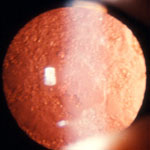 Before YAG Treatment
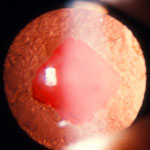 After YAG Treatment
Concerned about your vision?
If you are noticing any of these symptoms, our team can help determine if cataracts are the cause and discuss your treatment options.
Schedule an Eye Exam Today!
MarinEyes – San Rafael
Get Directions
Call Now